
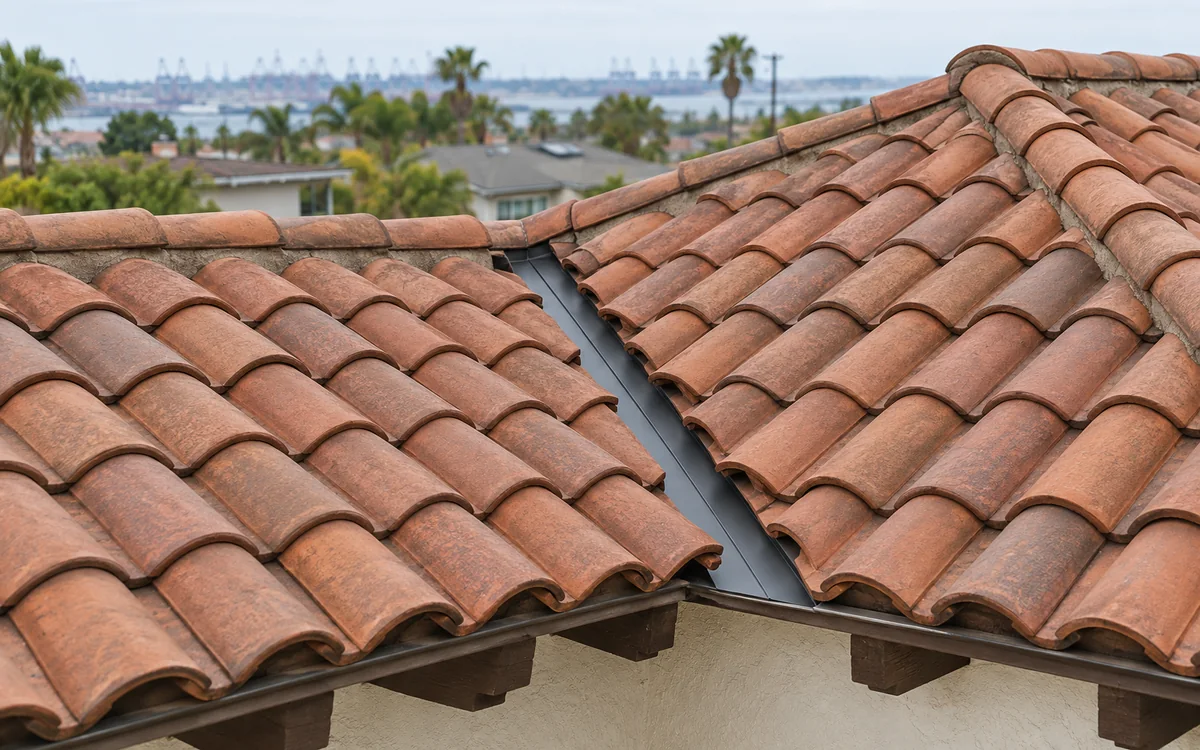
Separate the tile condition from the layers below
Clay or concrete tiles, underlayment, flashings, roof edges, and supporting components form one assembly. A visible broken tile is useful information, but it does not describe every layer underneath. Water entry can involve a valley, a penetration, a wall connection, or deteriorated material below otherwise serviceable tiles.
Ask which components need attention and how that finding was reached. If opening a section is proposed, clarify the area, handling of existing tiles, and what happens if more damage is found.
Discuss reuse before assuming everything is replaced
Some projects may allow sound tiles to be lifted and reused while work is done below them. Others involve damaged tiles, unavailable matches, or broader changes that lead to a different plan. The answer depends on the condition and compatibility of the existing materials.
Ask about breakage, replacement tile availability, storage, and visible color differences. A reuse proposal should explain how those issues are handled. A full replacement proposal should explain why replacing the tiles themselves is part of the recommended work.
- Which tiles appear suitable for reuse?
- What allowance covers damaged or broken pieces?
- How will underlayment, flashing, and roof details be addressed?
- What appearance differences should the owner expect?
Give repair details the attention they need
A small tile repair may still require careful access and handling. Tile profile, fastening, surrounding condition, and the area beneath the damaged piece affect the work. Walking on the roof without the right approach can break additional tiles, so observations from the ground are the better starting point for an owner.
If there is a leak, describe its timing and location inside the building. A tile that looks misplaced from the street may not be the only issue. Ask whether the repair addresses the identified water path and which areas remain outside the scope.
A material change needs more than a color choice
When changing the roof covering, discuss weight, roof shape, support, and the approval process with the project team. Different products and assemblies can place different demands on the structure. The existing roof's appearance does not establish that every proposed replacement material is suitable.
For a tile project, include access, deliveries, storage, and debris removal in the estimate conversation. Clarify whether any gutters, skylights, rooftop equipment, or interior repairs are separate work. These details help you compare proposals that may otherwise sound similar.
Start your tile roof inquiry
Elevate Roofing Co. is based in Wilmington and takes tile roofing inquiries from nearby San Pedro, Harbor City, Carson, Lomita, and other Harbor-area properties. Tell us what you have noticed and whether the roof has been repaired before. Call (747) 325-5484 or use the estimate form to discuss your next step.
Your questions, answered.
Can the underlayment need work while the tiles still look good?
Yes. The visible covering and the layers beneath it can be in different condition. Ask which components are failing and whether the proposed work includes lifting and reusing sound tiles, replacing tiles, or another scope.
Can a few broken tiles be repaired without replacing the roof?
A limited repair may be possible when the surrounding assembly is serviceable and suitable tiles are available. The condition underneath and the cause of any leak still need to be addressed.
Will reused and replacement tiles look the same?
Not always. Weathering, production differences, and available profiles can affect the match. Ask how replacement pieces will be selected and placed, and discuss any visible differences before approving the work.