
Start with the roof's present condition
Maintenance is not the same as a repair for an active leak or a replacement for a worn-out roof. The starting point is knowing which of those situations applies. A roof with recurring water entry needs its source investigated; routine cleaning alone is unlikely to answer that question.
Discuss the roof material, age if known, nearby trees, previous work, and any equipment or foot traffic on the surface. Ask what condition checks are included and which findings would call for a separate repair estimate.
Keep the water route in view
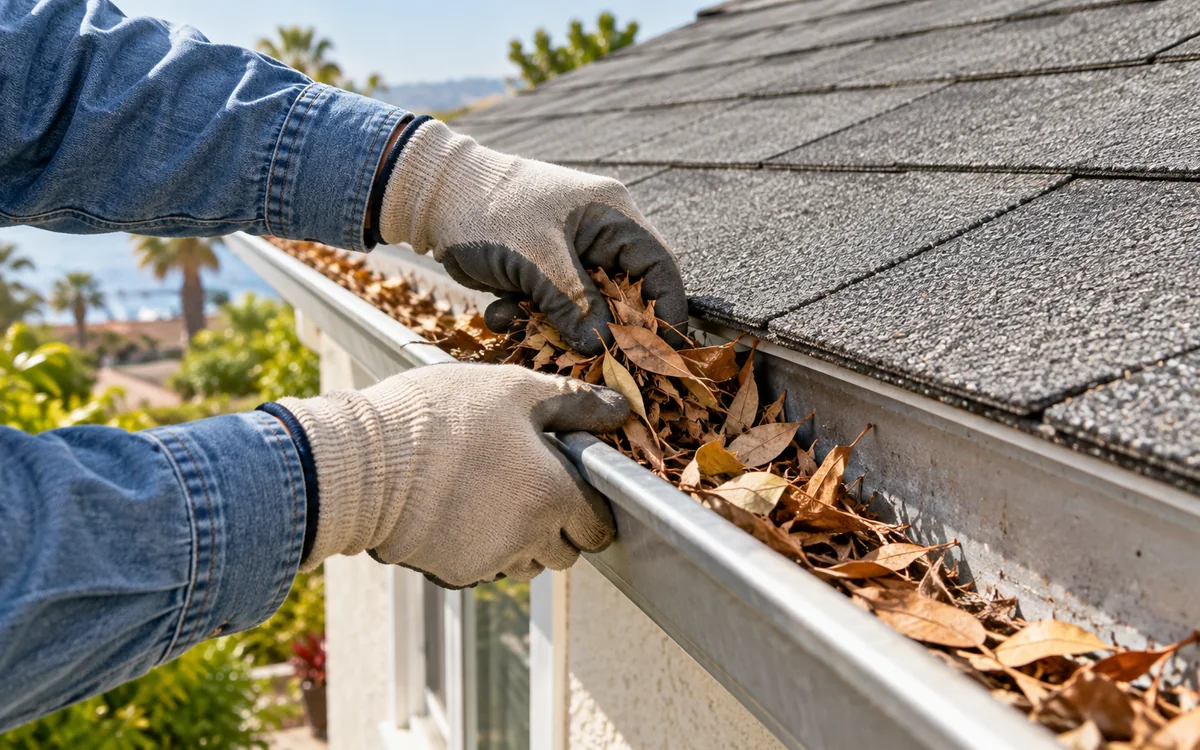
Leaves, debris, blocked outlets, and damaged drainage components can affect how water leaves a roof. Low-slope areas, gutters, scuppers, and drains may have different maintenance needs. Ask which parts are included and whether access to the entire drainage route is available.
If water remains in an area after rain, describe where and for how long you have observed it. Do not assume debris removal will correct an issue with slope or outlet placement. The recommendation should distinguish a maintenance task from work needed to change the roof or drainage detail.
Use tasks suited to the roofing material
Shingles, tile, and membrane roofs need different handling. Walking routes, cleaning methods, and repair products should suit the material and its condition. Aggressive cleaning or an incompatible coating can create another problem while trying to address the first one.
Ask about the purpose of any proposed cleaning, sealing, or coating work. A coating is a separate decision with its own preparation and compatibility questions; it is not a routine answer for every roof. Follow applicable product guidance and discuss any manufacturer care requirements for your roof system.
- Review visible flashing, edges, and penetrations.
- Check the planned drainage and debris-removal scope.
- Identify damaged material that needs a repair decision.
- Keep notes on changes since the previous visit.
Plan visits around conditions, not a promise
The right maintenance schedule depends on the roof assembly, exposure, debris, use, and any existing requirements. Ask whether the property needs a periodic visit, a check after nearby work, or attention before a planned project. Roof access by another trade is also a reason to discuss the condition afterward.
Keep records of repairs and maintenance, along with product or warranty documents you already have. Those records can help explain a recurring issue and give the next inspection better context. Maintenance cannot promise a roof will never leak.
Discuss a maintenance scope for your property
Elevate Roofing Co. is based in Wilmington and takes maintenance inquiries from homes and nearby properties throughout the Harbor area. Let us know whether the concern involves the main roof, a garage, an addition, or several roof sections. Call (747) 325-5484 to describe what needs attention and discuss availability.
Your questions, answered.
Can maintenance fix an active roof leak?
An active leak needs a diagnosis and a repair scope. A maintenance visit may reveal a defect, but cleaning or checking the roof does not automatically repair it. Tell us about water entry when requesting service.
How often should my roof be maintained?
The schedule should reflect the material, roof condition, debris, drainage, exposure, and any product requirements. Ask for a recommendation for your particular property rather than applying the same interval to every roof.
Should every roof receive a protective coating?
No. A coating must suit the roof assembly, its condition, and the intended use. Preparation, moisture, drainage, and product compatibility affect whether it is appropriate. Discuss the reason for a coating before agreeing to one.